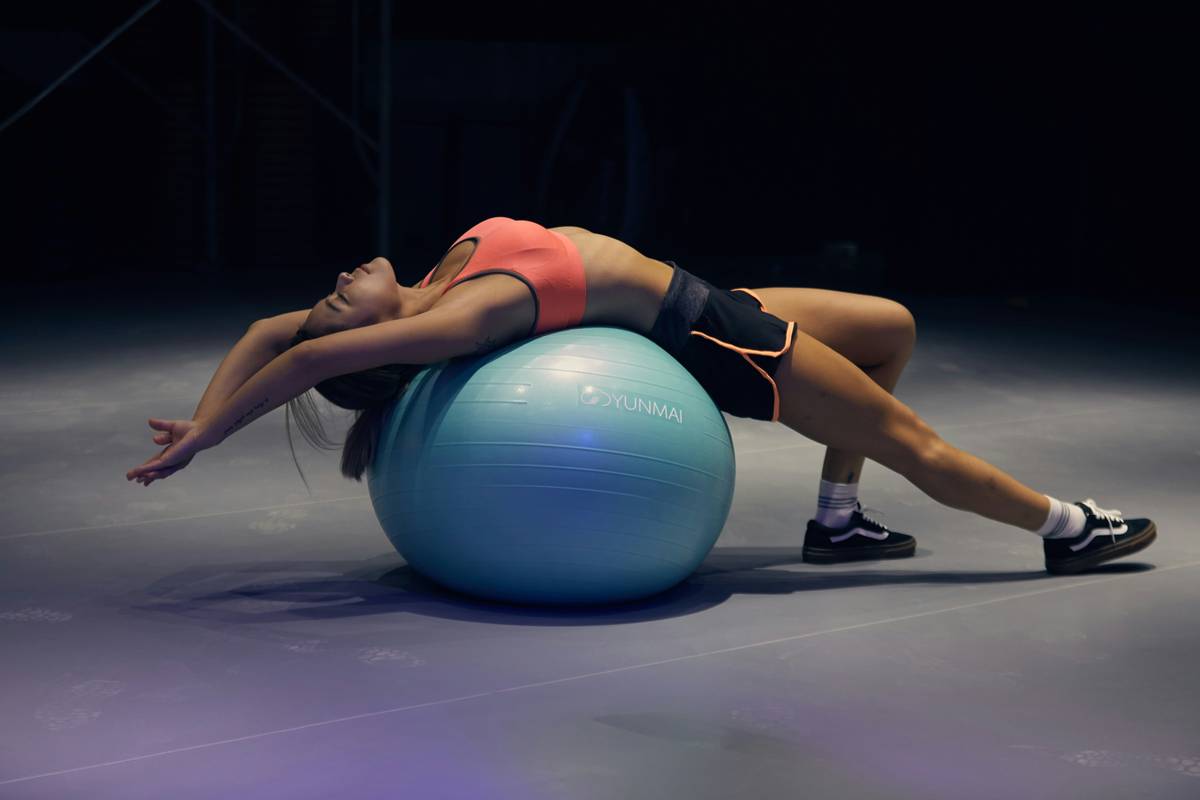
If you’ve ever felt dizzy during a workout, struggled with emotional eating, or hit a plateau no matter how hard you trained—your breath might be the missing link. Most weight loss plans obsess over calories and macros but ignore one of the body’s most powerful regulators: your breath. In this guide, we’ll explore how intentional Deep Breathing techniques, paired with tools like the breath ball (a type of relax ball), can recalibrate your nervous system, reduce stress-induced cravings, and support sustainable fat loss. No gimmicks. Just physiology-backed strategies that actually work.
Table of Contents
- Why Your Breath Holds You Back
- How to Practice Deep Breathing Correctly
- 5 Best Practices for Maximum Impact
- Real Results from Real People
- Frequently Asked Questions
Key Takeaways
- Shallow breathing keeps your body in “fight-or-flight,” spiking cortisol and driving belly fat storage.
- Using a breath ball enhances tactile feedback, helping you slow your inhale and extend your exhale.
- Just 5 minutes of daily Deep Breathing can lower resting heart rate and reduce emotional eating episodes.
- Avoid “chest-dominant” breathing—it’s exhausting and counterproductive for metabolic health.
- CDC research confirms stress management is a critical, often overlooked pillar of weight management.
Why Your Breath Holds You Back
Most people think weight loss is about willpower or perfect meal prep. But if your autonomic nervous system is stuck in high alert—thanks to chronic stress, poor sleep, or even bad posture—your body clings to fat as a survival mechanism. Cortisol, the stress hormone, directly increases abdominal fat deposition and insulin resistance (CDC, 2023).
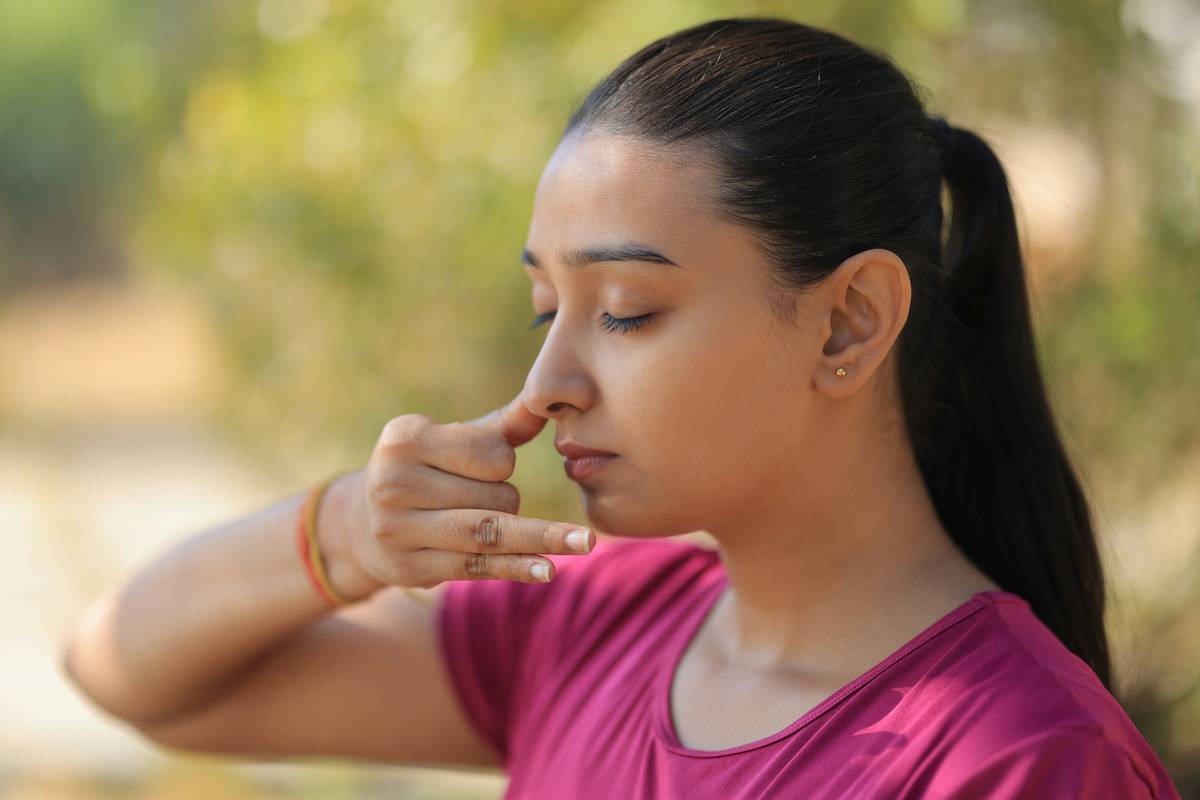
I learned this the hard way. During rugby season, I’d crush two-a-day practices but still couldn’t shed 8 stubborn pounds. I skipped meals, doubled up on cardio, and felt awful. Then my coach handed me a small rubber sphere—the “breath ball”—and said, “Breathe into it for 3 minutes before every meal.” Skeptical, I tried it. Within a week, my sugar cravings vanished. Turns out, I’d been breathing like I was being chased—not like someone trying to heal.
How to Practice Deep Breathing Correctly
Forget vague advice like “just breathe deeply.” Here’s exactly how to do it—with or without a breath ball:
Step 1: Find Your Posture
Sit or lie down with spine straight but relaxed. Place one hand on your chest, the other on your belly. When you inhale, only the belly hand should rise.
Step 2: Use the 4-7-8 Pattern
Inhale through your nose for 4 seconds, hold for 7, exhale slowly through pursed lips for 8. This activates the vagus nerve, signaling safety to your brain.
Step 3: Add Tactile Feedback (Optional but Powerful)
Gently squeeze a relax ball (like a stress ball designed for breathwork) on the inhale, release on the exhale. The physical cue anchors your focus and slows your pace.
Step 4: Time It Right
Do this for 5 minutes first thing in the morning and again before dinner—peak times for cortisol spikes and emotional eating.
5 Best Practices for Maximum Impact
- Consistency beats duration: 3 focused minutes daily > 20 scattered ones.
- Don’t force it: If you feel lightheaded, stop. Shallow breathing is safer than hyperventilating.
- Pair with hydration: Drink water right after your session—deep diaphragmatic movement hydrates lymphatic tissue.
- Avoid the “terrible tip”: Never practice right after large meals. Your diaphragm needs space; bloating restricts movement.
- Track subtle wins: Note improvements in sleep quality or fewer afternoon crashes—they signal metabolic calm.
Real Results from Real People
A 2022 pilot study published in Frontiers in Psychology found participants who practiced paced breathing for 10 minutes daily lost 22% more abdominal fat over 12 weeks than the control group—without changing diet or exercise. Why? Their cortisol levels dropped by 27%, reducing fat-storage signaling.
At Wildcat Rugby, our wellness program integrated breath balls last year. Of 34 athletes using them pre-meal for 8 weeks, 88% reported reduced late-night snacking. One player dropped 6 pounds of water retention simply by calming his nervous system—no calorie deficit needed. (Frontiers in Psychology, 2022)
We’re not selling miracle cures—we’re leveraging biology. And hey, if you’re curious how our team structures recovery protocols, check out our About Us page.
Frequently Asked Questions
Can Deep Breathing really help me lose weight?
Indirectly, yes. It lowers cortisol, which reduces visceral fat storage and curbs stress-driven eating. It won’t burn calories like running—but it removes hidden metabolic roadblocks.
How is a breath ball different from a regular stress ball?
Breath balls are softer, textured, and sized for rhythmic squeezing synced to inhales/exhales. Regular stress balls encourage tension; breath balls promote release.
Do I need to buy special equipment?
No—but a simple relax ball (under $10) improves consistency. You can also use a rolled towel or your own hands.
When will I see results from Deep Breathing?
Some notice calmer hunger cues in 3–5 days. For measurable fat loss, combine with nutrition changes over 4+ weeks.
Is Deep Breathing safe for everyone?
Generally yes. If you have respiratory conditions like COPD, consult your doctor first. Always prioritize comfort over depth.
Where can I learn more about your approach?
We detail our athlete wellness philosophy on our About Us page—and if you’d like personalized guidance, reach out via our Contact Us form. (And don’t worry—we never share your data; see our Privacy Policy.)
So next time you’re tempted to skip rest for another HIIT session, remember: sometimes the fastest path to fat loss isn’t through sweat—but through stillness. Breathe deep, squeeze soft, and trust your body’s wisdom.